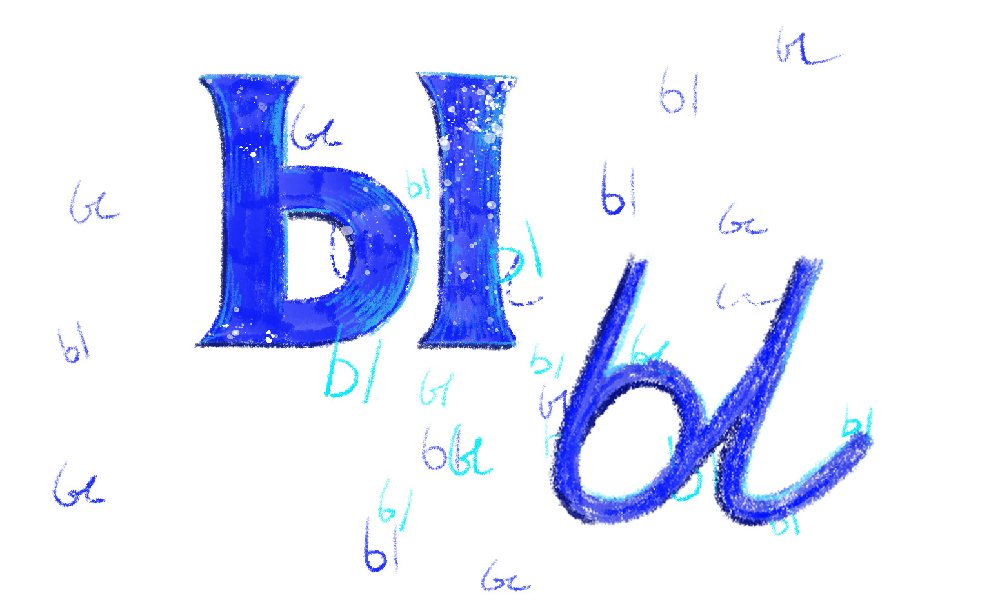
In our recent article, we talked about the wonderful but very difficult sound [Ы] ([Y]). This topic would be incomplete without discussing one of the basic rules of Russian grammar, inextricably linked to the sound [Ы]. Specifically, the rule "Write the letter combinations ЖИ [ZHI] and ШИ [SHI] with the letter И [I]." People beginning to learn Russian as a foreign language ask exactly the same question as little native speakers of Russian do, "Why do I write И if I hear [Ы]?" We are going to explain it now.
Basic Russian Grammar. Letter Combinations ЖИ [ZHI] and ШИ [SHI]
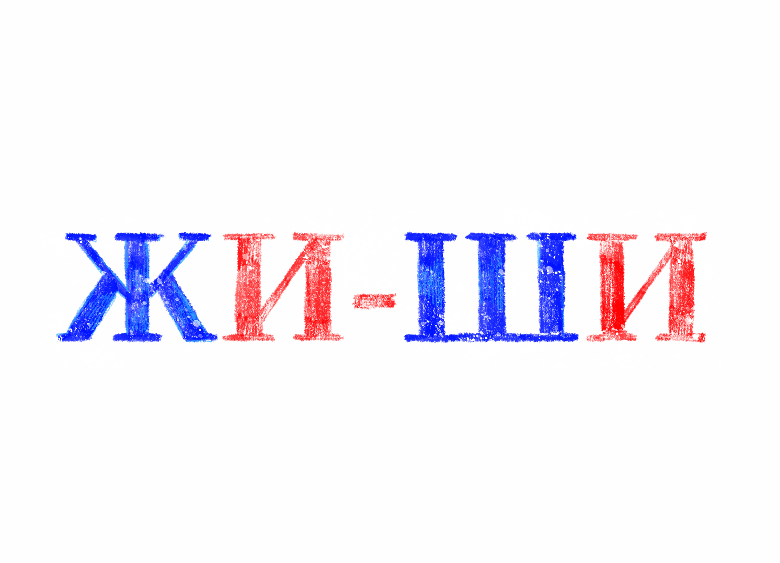
The ЖИ and ШИ rule is a vivid example of both variability and consistent constancy. The answer to this pressing question lies in the distant past.
In Old Russian, the hissing sounds [Ж] (ZH) and [Ш] ([SH]) were always soft. One way to express this softness in writing is to use a corresponding vowel – “е” [e], “ё” [yo], “ю” [yu], “я” [ya], or “и” [i] – after a consonant.

Later, the sounds [Ж] and [Ш] hardened. In modern Russian phonetics, these sounds are defined as unpaired hard consonants. And the logic of linguistics dictates that the spelling should be changed to [ЖЫ] and [ШЫ] following the sound change, but... No. The centuries-old tradition of writing the letter И after Ж and Ш proved stronger than the phonetic changes.
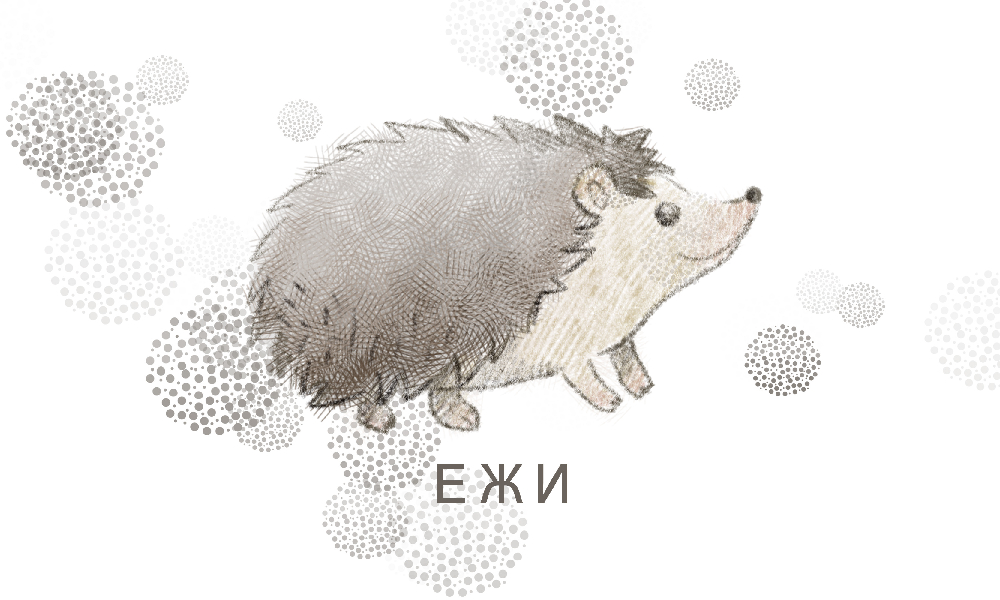
Here, it is important to remember numerous exceptions in the Russian language. In the case of the ЖИ and ШИ rule, the exceptions are foreign-language proper names or toponyms (names of geographic objects). For example, the female name Шынара [Shynara] and the name of the city in Kazakhstan, Шымкент [Shymkent], are both spelled with Ы.

So, just remember this simple rule and continue drilling the pronunciation of the sound [Ы] because ЖИ- and ШИ- are, of course, spelled with И but pronounced with [Ы].
10.03.2026
Sections
Tags
#TORFL#russian language#literature#culture#courses#admission regulations#compatriots#scholarships#competitions#visa#migration policy#security#bachelor's degree#master's degree#postgraduate studies#rankings#career#research#scientists#internships#physics#chemistry#math#IT#medicine#conference#Russia#travel#video#Russian House#regions#music#say it in Russian