Ivan Ivanovich Shishkin
(1832–1898)
(1832–1898)
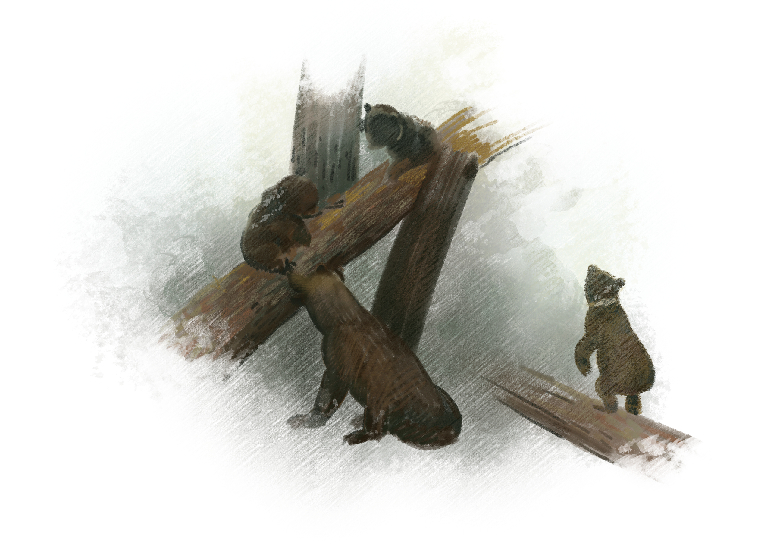
For world painting, Ivan Shishkin is not just an artist. This master’s last name is associated with landscape painting. The paintings by Shishkin are full of love of his native land. When you look at his works, you can smell their flavor, feel fresh wind, recall these places, and understand the paintings with your soul.
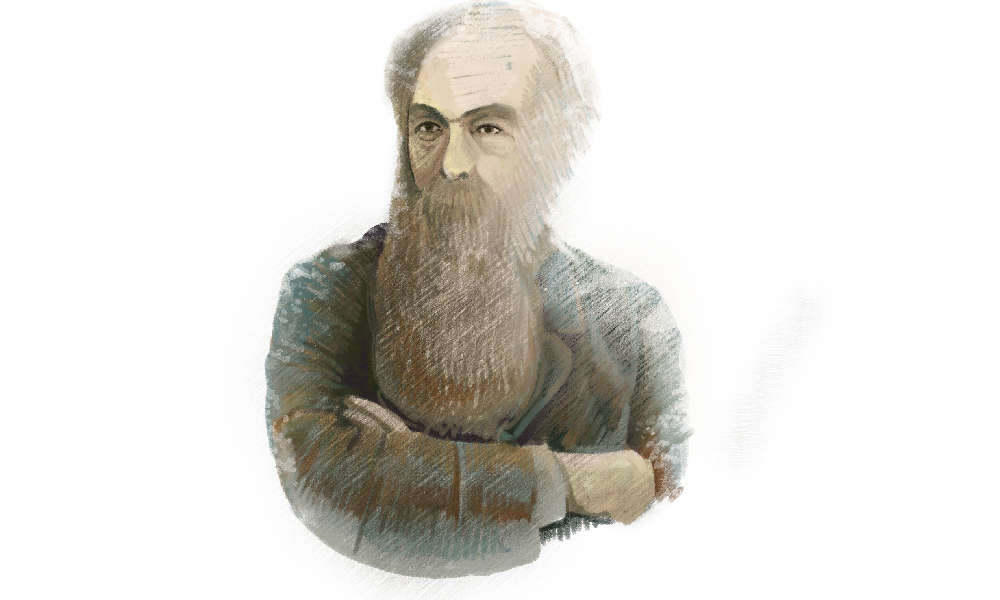
Ivan, the youngest son of the merchant from Yelabuga, was born in 1832. The father of the future painter did much for his motherland. In his father’s opinion, little Ivan was to follow his trade and become a merchant. His strict mother, Daria Shishkina, considered her son’s hobby paper scribbling. However, as if following his last name, young Shishkin preferred walking around the forest and Kama open spaces, exploring the world around him.
Parents sent Ivan to Kazan, which he left after four years of study. When he was 20, Ivan Shishkin went to Moscow and entered the school of painting and sculpture. Then he continued his education at Saint Petersburg Academy of Arts. Later, Ivan Shishkin continued his artistic journey in Europe. Throughout this period of his life, he produced numerous exceptional paintings. When Ivan Shishkin came home, he became one of the founders of the Association of Itinerants, who stood against the principles of academism and strived for more realistic art.
The artist was rescued by painting after the loss of his beloved wife and two sons. The painter was very productive during this period of time. Shishkin lost his second love as well. She died after childbirth. Despite these tragic events, Ivan Shishkin did not paint dramatic subjects. His paintings were about freedom, love of his native land, and the might and beauty of the Russian spirit.
The master felt it his duty to teach the rising generation to understand and love nature and see the uniqueness in simple things. Ivan Shishkin was an outstanding educator at the Academy of Arts. The great landscape painter died from a heart attack while working on his new painting with a brush in his hand.
Despite tragic events, Ivan Shishkin did not paint dramatic subjects. His paintings were about freedom, love of his native land, and the might and beauty of the Russian spirit.
The master searched for the ideal location for his work by walking dozens of kilometers. The differentiating feature of his works is their photographic precision. It helps you easily recognize and imagine the places from his paintings.
The Tretyakov Gallery in Moscow keeps around 50 works created by the master. Here you can see such paintings as "Rye," "Rain in an Oak Forest," "Lumbering," "In the Wild North," and "Forest Distance."
The Russian Museum in Saint Petersburg boasts a collection of more than 80 paintings by Ivan Shishkin, including "View on the Outskirts of St. Petersburg," "Path in a Forest," and "Oaks."
The Shishkin House Museum in Yelabuga keeps many paintings, including "Harvesting."
You can see paintings by Ivan Shishkin without leaving home, in online museums:
Virtual Russian Museum
clck.ru/3SELqK
Gallerix online museum
https://gallerix.ru/album/Shishkin
The article has been prepared using the information from open sources.